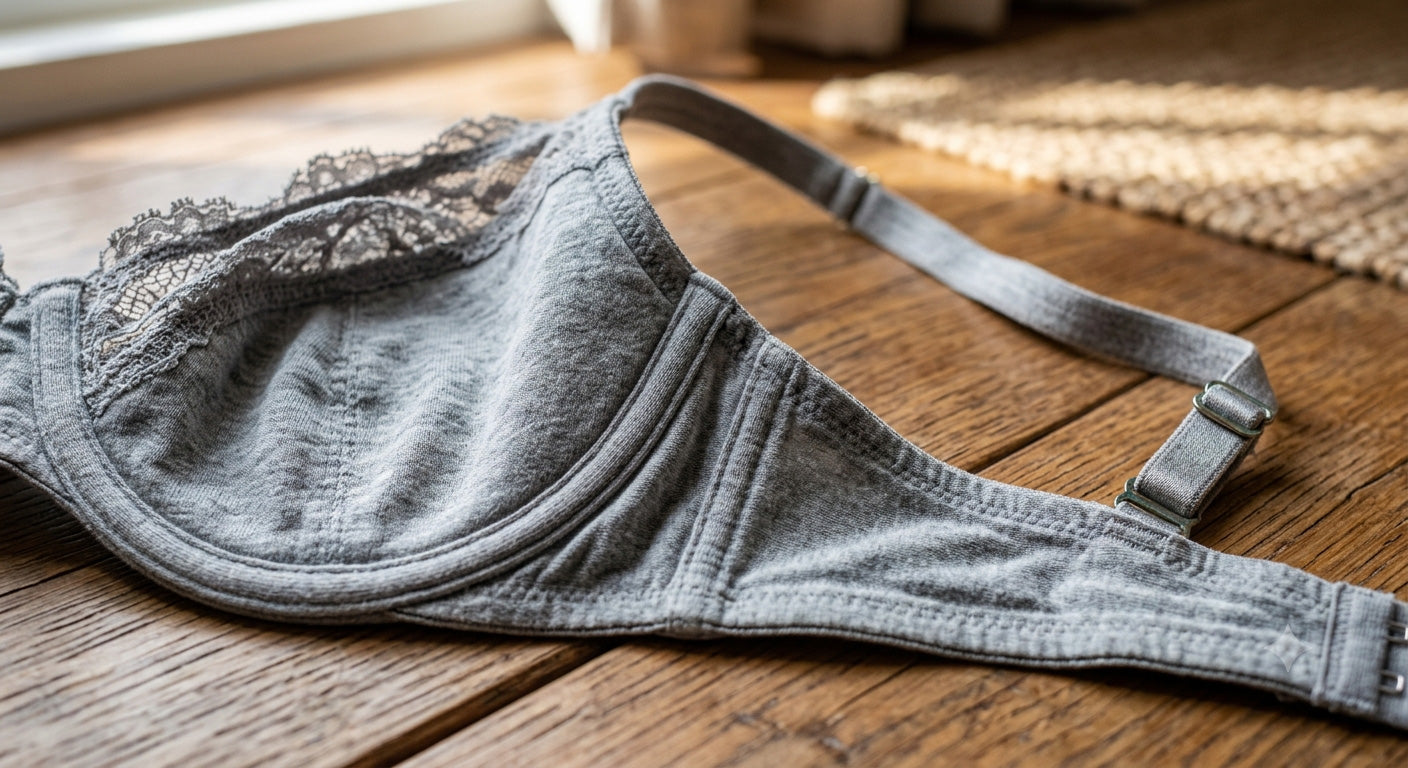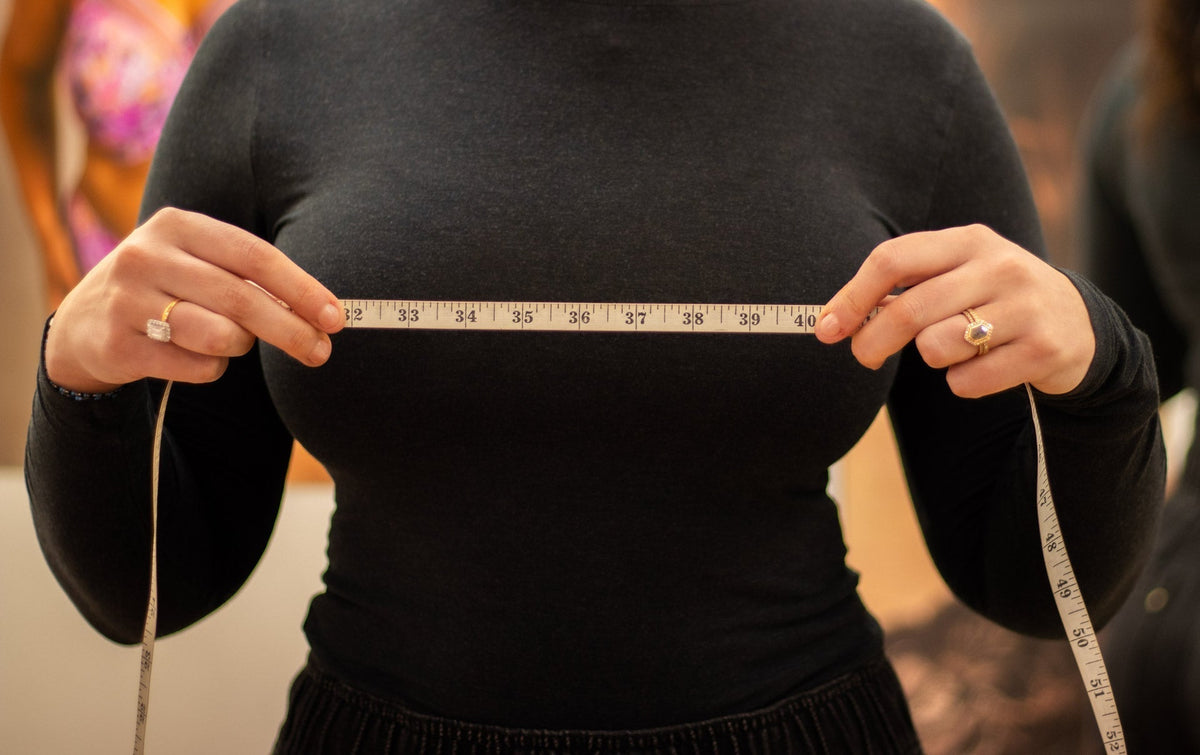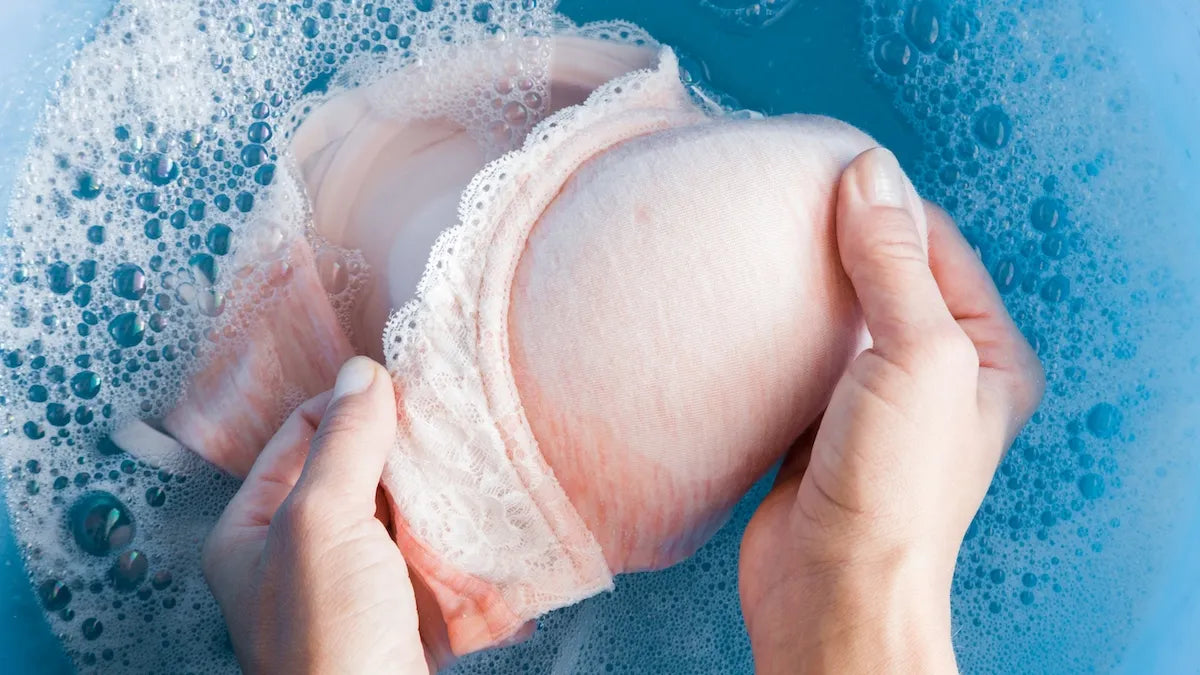
A well-fitted bra can make a huge difference to how you feel in your clothes, but even the best bra needs the right care. Many bras are damaged long before they are truly worn out - not because the quality is poor, but because they have been machine washed, twisted, soaked too harshly or dried the wrong way.
So, how to wash bras properly? The safest answer is simple: wash them gently by hand, use a mild detergent, avoid the washing machine where possible, and give each bra enough time to dry before wearing it again.
The best way to wash bras is by hand with gentle detergent and cool to lukewarm water. Machine washing - even on a gentle cycle - can damage wires, elastic, lace, cups and fabric, and many brands or manufacturers may not replace bras that have been machine washed.
A good bra will usually last around 100 washes, depending on wear, rotation and care. If you want your bras to last longer, follow the simple rule: one to wear, one to wash, one to dry.
Why bra care matters
Bras work harder than most garments in your wardrobe. They support, shape, lift and move with your body throughout the day. The band, straps, cups, wires and fabric all play a role in how the bra fits. When one part is damaged, the whole bra can stop feeling right.
That is why bra care is not just about keeping lingerie looking nice. It is about protecting the structure that gives you support. A bra that is washed too harshly can lose elasticity, change shape, develop wire issues or feel less secure on the body.
If you have invested in a good bra, especially one that has been properly fitted, it is worth taking a few extra minutes to care for it well.
The easiest habit: take your bra into the shower
One of the simplest ways to wash your bra is to take it into the shower with you at the end of the day. This makes hand washing feel less like a separate chore and more like a quick daily habit.
After removing your bra, rinse it gently in cool to lukewarm water, use a small amount of gentle detergent, and lightly press through the fabric. You do not need to scrub aggressively. Most of the time, you are simply removing body oils, sweat, deodorant and daily residue from the fibres.
This approach is especially useful for everyday bras because it keeps the washing routine manageable. Instead of letting worn bras pile up, you can freshen them regularly and keep your rotation moving.

Step-by-step: how to wash bras by hand
Hand washing is the safest method for most bras, especially underwire bras, lace bras, moulded cups, delicate fabrics and specialty styles.
Here is a simple method:
-
Fill a basin, sink or pop in the shower with cool to lukewarm water and add a small amount of gentle detergent.
-
Place the bra in the water and gently press the fabric to help loosen sweat and oils.
-
Pay light attention to the band, underarm area and centre front, where body oils often collect.
-
Rinse thoroughly until the water runs clear and no detergent remains.
-
Gently press out excess water with your hands or between a towel.
-
Reshape the cups and lay the bra flat to dry.
Avoid wringing, twisting or stretching the bra. This can damage elastic and distort the shape. If the bra has moulded cups, take extra care not to crush them while washing or drying.
Why gentle detergent is important
A gentle detergent is best because bras sit close to the skin and often use delicate materials. Harsh detergents, strong stain removers or too much product can break down fibres, irritate the skin or leave residue in the fabric.
You only need a small amount. More detergent does not mean a cleaner bra. In fact, too much can be harder to rinse out and may affect the feel of the fabric over time.
If your bra is very delicate, lace-trimmed or lightly coloured, gentle washing becomes even more important. Treat it like a fitted garment, not like a towel or gym shirt.

Why we do not recommend machine washing
Machine washing is tempting because it feels convenient, but it is a gamble with bras. Even on a gentle cycle, the movement of the machine can affect wires, stretch elastic, damage lace, crush cups, or weaken stitching.
Laundry bags reduce some risk, but they do not remove it. Bras can still pop out of laundry bags. Wires can hit the drum of the machine. Hooks can catch. Cups can fold or collapse. Over time, even small damage can change how the bra fits.
This is also important from a warranty or replacement point of view. Many brands and manufacturers may not replace a damaged bra if it has been machine washed, even if the wash was done on a gentle cycle. From their perspective, machine washing increases the risk of damage outside normal garment care.
So while some people do machine wash bras and get away with it for a while, it is still a risk. If you want the best chance of keeping your bras supportive for longer, hand washing is the safer choice.

How often should you wash your bras?
There is no one perfect number because it depends on the weather, how long you wore the bra, how much you sweat and what activity you were doing. In warmer weather, after long days or after heavier perspiration, bras usually need washing sooner.
A useful guide is to avoid wearing the same bra every day without giving it time to rest. Elastic needs time to recover after wear. If you wear one bra constantly, it will usually stretch out faster.
That is why we like the simple rotation rule: one to wear, one to wash, one to dry. This gives you enough movement in your drawer without needing an excessive number of bras. For many people, having at least three well-fitted everyday bras is a practical starting point.

How long should a bra last?
As a general guide, a bra may last around 100 washes, depending on quality, care, rotation and how often it is worn. This is not a strict rule, but it gives a helpful expectation.
A bra worn every day and machine washed regularly will usually wear out much faster than a bra that is rotated, hand washed and dried properly. Elastic naturally relaxes over time, and support will eventually reduce. That is normal.
Signs that a bra may be ready to replace include:
-
The band feels loose even on the tightest hook
-
Straps keep slipping after adjustment
-
Wires feel uncomfortable or sit incorrectly
-
Cups have lost shape
-
Fabric or elastic looks stretched
-
The bra no longer feels supportive by the end of the day
Sometimes a bra that feels “wrong” is simply worn out, not the wrong size.
How to dry bras correctly
Drying is just as important as washing. Never put bras in the tumble dryer. Heat can damage elastic, shrink materials, warp cups and shorten the life of the bra.
The best method is to gently press out excess water, reshape the cups, and lay the bra flat on a towel or drying rack. Avoid hanging a wet bra by the straps, as the weight of the water can stretch them.
If you need your bras to dry faster, place them somewhere with good airflow, but avoid direct harsh sunlight for long periods, especially with dark or delicate colours.

Special care for underwire and moulded bras
Underwire bras need careful handling because the wire is part of the support structure. If the wire bends, shifts or breaks through the casing, the bra will no longer fit or support properly. This is one of the main reasons machine washing is risky.
Moulded cup bras also need extra care. The cups can crease, dent or lose shape if crushed in the wash or squashed while drying. When washing these styles, gently press rather than twist, and reshape the cups before laying them flat.
If you store moulded bras in a drawer, avoid folding one cup into the other. Stack them gently so the cups keep their natural shape.
A better bra routine for everyday life
Good bra care does not need to be complicated. The goal is to create a routine that is easy enough to follow regularly.
At the end of the day, rinse or hand wash the bra if it needs it. Use gentle detergent. Press out water carefully. Lay it flat to dry. Rotate your bras so each one has time to rest between wears.
This routine protects the fit, the fabric and the support. It also helps you get more value from the bras you already own.
The takeaway
Knowing how to wash bras properly can make a real difference to how long they stay comfortable and supportive. Hand washing is the safest option, especially for underwire, lace, delicate and moulded styles. Machine washing may feel convenient, but it can damage bras even on a gentle cycle - and laundry bags are not a guarantee.
If you want a simple rule to remember, make it this: one to wear, one to wash, one to dry. With a small rotation and gentle care, your bras have a much better chance of lasting well, holding their shape and continuing to support you the way they should.
FAQ
How should I wash bras without damaging them?
The safest method is to hand wash bras in cool to lukewarm water with gentle detergent. Rinse well, press out excess water without twisting, reshape the cups and lay the bra flat to dry.
Can I put bras in the washing machine?
It is not recommended. Machine washing, even on a gentle cycle, can damage wires, elastic, cups and delicate fabrics. Bras can also pop out of laundry bags or wires can hit the drum, so it is always a risk.
How many bras should I rotate?
A practical starting point is three everyday bras: one to wear, one to wash and one to dry. This helps the elastic rest between wears and can make your bras last longer.